
Knockoff shoesFake Product Crackdown on a Putian Shoe Shop
Knockoff shoesFake Product Crackdown on a Putian Shoe Shop,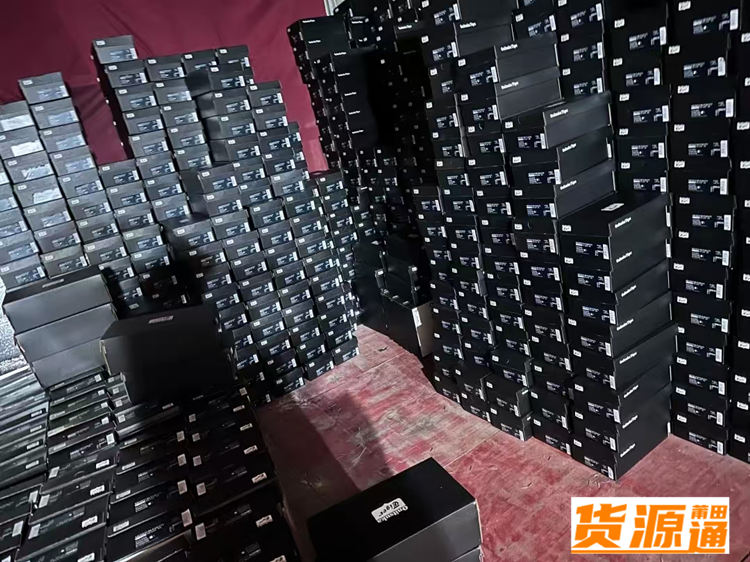
Fake Product Crackdown in Putian Shoe Shop
Putian, a city in Fujian province, is renowned for its footwear industry. However, this legacy has recently been under scrutiny due to the rise of fake product sales. A small shoe shop in the heart of Putian was targeted by an anti-fake campaign, highlighting the conflict between preserving brand integrity and small business sustainability.
The Shoe Shop Under Attack
The shop in question was known for selling affordable yet fashionable footwear to the local population. Its business model primarily focused on serving the local market, providing customers with a range of shoe styles that were less expensive than big-brand alternatives. However, its success attracted the attention of authorities.
As part of a wider crackdown on intellectual property infringement, the shop was targeted for selling counterfeit footwear. This not only affected the owners of the shop but also impacted the local economy and community as customers were left without affordable shoe options.
The controversy surrounding this issue is a microcosm of a larger problem facing many small businesses around the world. As global brands and luxury labels grow in popularity, they also enforce stringent measures to protect their intellectual property rights.
This can often result in collateral damage to smaller operators who might not have malicious intent but are unable to compete without producing fakes due to financial constraints. On one hand, brands need to safeguard their intellectual property and protect consumers from poor-quality goods. On the other hand, these efforts can hinder fair competition for small businesses.
The challenge now lies in finding a balance between protecting brand integrity and supporting local businesses that cater to the masses. This could be achieved by promoting fair trade practices, offering financial incentives for smaller operators to stay within legal boundaries or creating platforms for them to showcase their unique designs.
Moreover, awareness and education about intellectual property rights are crucial to reduce the prevalence of counterfeit goods in local markets. People need to understand that buying fakes not only harms the original brands but also impacts the quality of products and potentially poses safety risks.
In conclusion, the fight against fake products is not just about protecting intellectual property rights but also about finding a sustainable way forward for small businesses that serve their communities. It requires a holistic approach that involves collaboration between authorities, brands, and local operators to strike a balance between growth and sustainability.
- Knockoff sneakersHigh-Value Men's Shoes from Putian: The New Shoe Brand to Watch.
- Knockoff shoesIs It Slow to Purchase and Deliver Putian Shoes Now?
- Replica sneakers
- Replica shoesBest Place to Buy Putian Shoes Online.
- Replica sneakersHow to Write a Promotional Copy for Selling Putian Shoes?
- Replica hype shoesPumian Famous Shoes: Complete Photo Collection and Introduction
- Bootleg sneakersLive Streaming of Adidas Sports Shoes in Putian: The Ultimate Experience
- Fake BalenciagaHow to Identify Fake Pictures of Putian Shoes.